
Legal status in the Hebrew source: the family's civil claim was pending in the Central-Lod District Court. As of the Hebrew review on 22 October 2026, the allegations in the claim had not been decided by a court. This translation reflects that dated account; it is not an update on the case. A person suspected or charged is presumed innocent unless convicted by a court.
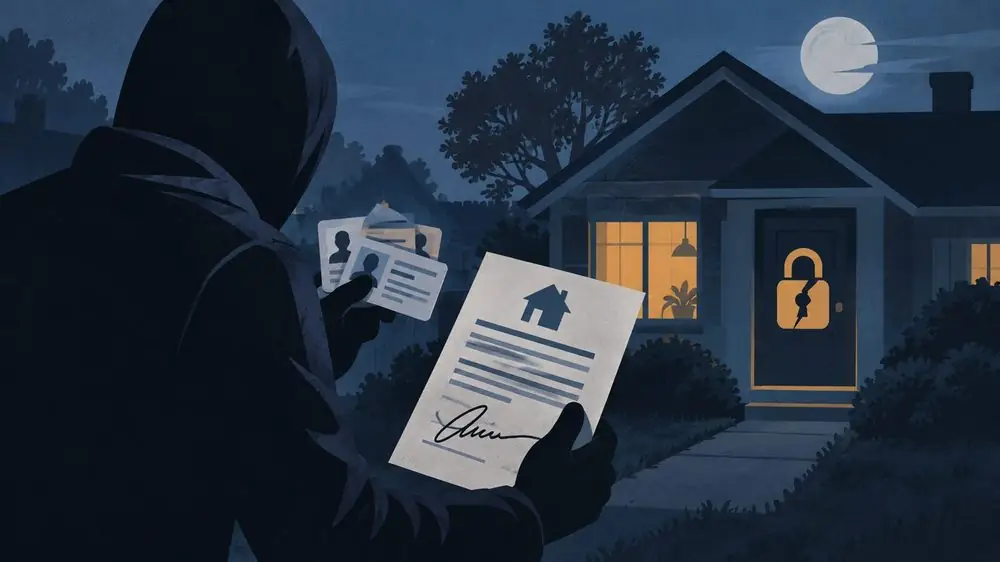
In December 2024, an Israeli couple living in Moscow arrived in Israel for one of their three annual visits to their daughter. Two things awaited them: their credit card was blocked, and their Netanya flat had been burgled. Jewellery, credit cards and identification documents had been stolen. They reported it and moved on. A year and a half later, in June 2026, a representative of a non-bank lender called their daughter: your parents, he said, are behind on their mortgage payments.
Only then did it emerge, according to the claim filed in the Central-Lod District Court, that in December 2024, very close to the burglary, a charge had been registered over the flat in the lender's favour: a NIS 1.2 million mortgage on a property whose owners had signed nothing. The family alleges that whoever signed presented documents in their names, but the photograph on the identity card and driving licence was identical, something that would be highly unusual in practice, and the photographs showed young people who did not match the recorded birth dates. According to the claimants, the lender refuses to remove the mortgage and is seeking to enforce the security, meaning take the flat.
This is not an isolated allegation. In another claim, a brother and sister, Israeli citizens living in Germany, allege the same pattern involving their Netanya flat: burglary, stolen documents and then a NIS 2 million loan in their names. They say the impersonators even opened a bank account and bought life insurance as part of preparing the loan. The lender had not responded to the publication in the account translated here. In the earlier case, it rejected the allegations and said the matter would be determined in court.
What I see as an investigator
The timeline is the whole story: a physical break-in, followed closely by mortgage registration. The attacker understood that stolen documents were worth much more than jewellery. They offered a way to turn someone else's property into cash. Notice the circumstance too: owners living abroad and visiting three times a year. Their absence may matter. The question is whether it was a feature sought in advance or a circumstance exploited.
The major failure lies in the approval chain. An identical photograph on two different identity documents is a red flag that should stop a process. Photographs of young people alongside older birth dates are a second. Do not overlook the bank account and life-insurance policy in the second case: each step was a checkpoint that could have broken the fraud. An investigation team receiving the case would ask simple questions: who verified identity and how, who saw the signatories face to face, where the money flowed, and who signed at each point in the chain.
Key takeaways
If you own property, especially if you do not live there, check periodically for charges you did not request. A letter or call from a lender about an unfamiliar debt is a warning, not a mistake. If your documents are stolen, in a burglary or a lost wallet, report immediately and keep records. The record of theft is what will support you if someone tries to use them.
The question I would ask as an investigator
If the flat was selected in advance, what made it a convenient target: owners abroad, infrequent visits, or access to documents? Where in the approval chain could this have been stopped?