
Legal status in the Hebrew source: an indictment against four defendants. As of the Hebrew review on 22 October 2026, the site's sources contained no verdict; the defendants were entitled to the presumption of innocence. This translation reflects that dated account; it is not an update on the case. A person suspected or charged is presumed innocent unless convicted by a court.
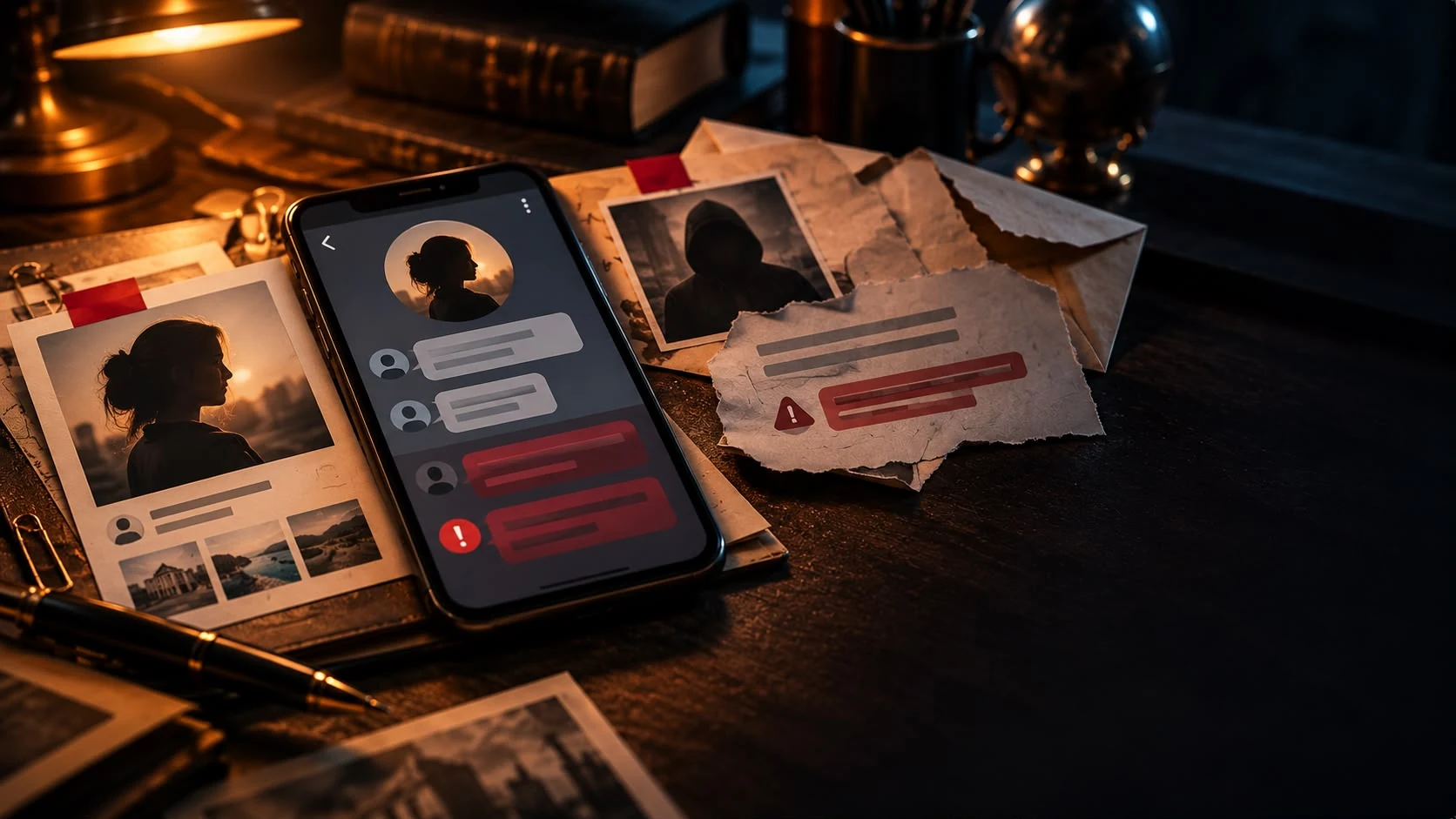
According to the indictment, four young men ran a network of fictitious Telegram profiles, including profiles posing as married women and minors, and lured men seeking relationships to meetings near Tel Aviv and Haifa. What looked like a date, the indictment alleged, was a planned ambush: impersonation, then violence, then prolonged extortion through threats.
In one alleged incident, a victim arrived at a Tel Aviv address to meet "Dana", supposedly a married woman. Instead, according to the indictment, one defendant attacked him, claimed to be Dana's husband and beat him. An accomplice threatened over speakerphone to ruin his life, send intimate photographs to his family and workplace, and put a bullet in his head. His phone was stolen, he was forced to unlock it with his finger, and a bank balance of NIS 600,000 was found. Over the following months, the indictment alleged, more than half a million shekels was extorted through bank transfers and ATM withdrawals.
The defendants, in their twenties and forties, were charged with offences including fraud, extortion, violence, robbery, privacy violations and unauthorised computer access. At the stage described, these were charges, and they were presumed innocent pending a verdict.
What I see as an investigator
Three moves stand out. First, diversion: moving from a public platform to a private, anonymous channel, with no witnesses or record. Second, staging: the scene of an angry husband catching the couple is not improvisation. It is a script meant to create shame and fear at the same moment, because a frightened, ashamed person stops thinking. Third, continuation: extortion does not end with one payment. Each payment proves to the extortionist that the victim pays and invites the next demand.
The real weapon here is secrecy, not violence. The extortionist relies on the victim preferring to pay and stay silent rather than be exposed. Reporting to police is the step that enables investigation and prosecution. The messages and transfers themselves are among the most useful evidence for investigators.
Key takeaways
A new contact that quickly moves you to a private channel, insists on secrecy and pushes for an isolated meeting is not romance. It is a pattern. If you are trapped, do not pay: a first payment only proves they can continue. Keep all messages and payment records, and report to police immediately. Shame passes; a criminal case against extortionists remains.
The question I would ask as an investigator
If what kept the victim silent for months was the urge to avoid shame rather than the violence itself, what does prolonged extortion tell us about shame's role in this method?