
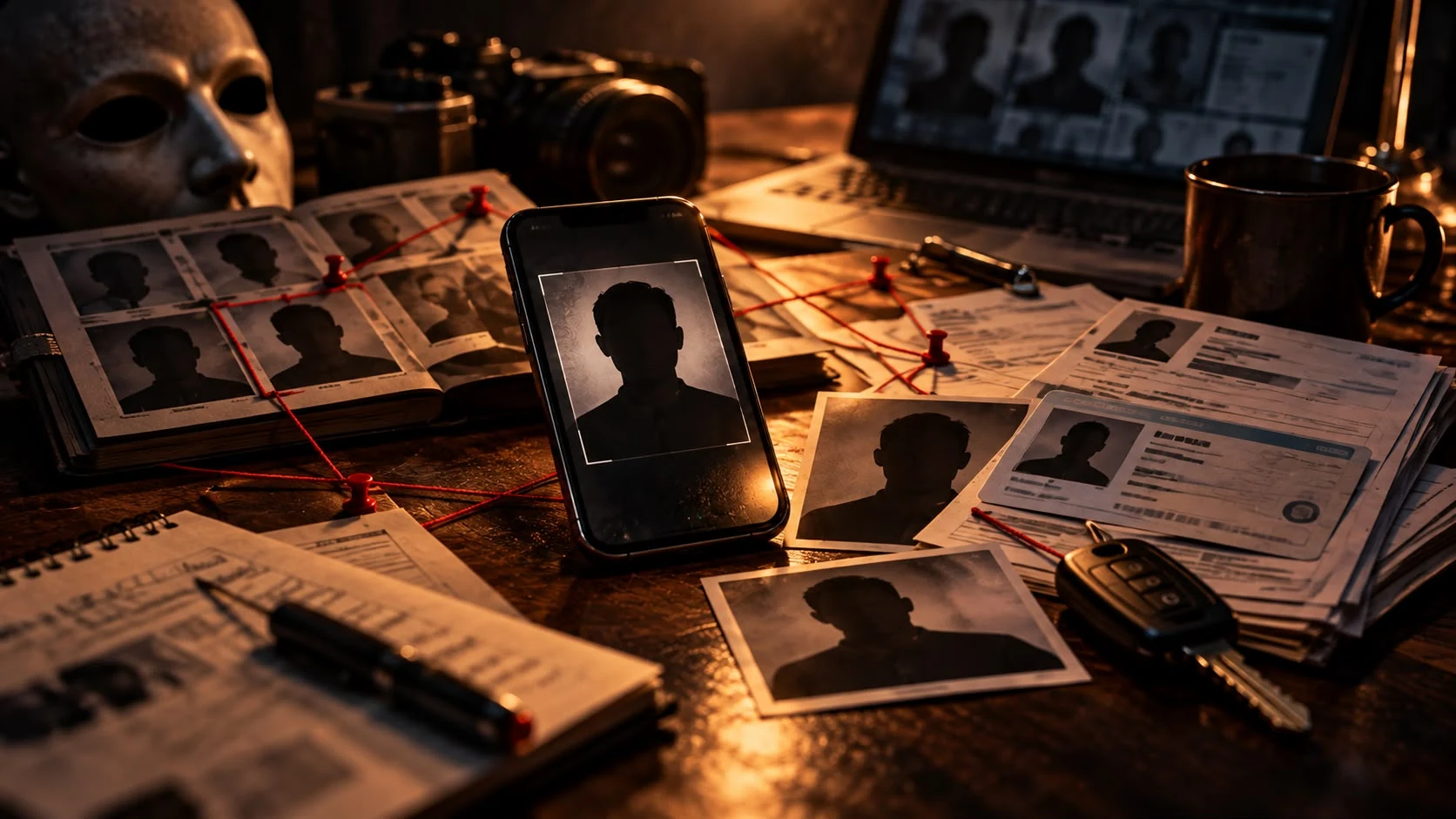
What should you do if your identity has been stolen?
Periodically check for accounts or credit applications in your name, including by reviewing your credit report. Tell people close to you about the pattern, and use a unique password for every service and two-factor authentication. More detail follows below.
Content type: an explanatory article on identity theft, based on reporting and official sources. It does not describe one specific legal proceeding.
"Hello, this is Daniel from the bank's fraud department. We've detected unusual activity in your account, and I need to verify a few details with you."
Many people hear a sentence like this, and some pay dearly for it. Not because they are naive, but because identity theft can rely on persuasion, not only on breaking into a computer. It attacks you.
Identity fraud can rely on persuasion, technical intrusion or a combination. When persuasion is involved, the attacker does not always need to break into the account. Sometimes it is enough for the victim to open the door.
Social engineering: at the heart of many scams
The attacker is not confronting security systems. They are confronting you. They build trust ("I'm from the bank"), invoke authority ("the fraud department"), create urgency ("the account will be blocked in five minutes") and trigger fear ("someone is withdrawing money right now"). When these four levers work together, even intelligent, experienced people can disclose details they know they should never share. It is not stupidity. It is psychology.
What does it look like? Three components: information gathered about you from social media and data breaches, such as your name, identity number, phone and bank; a stressful story, such as "unusual activity", "a stuck parcel" or "an insurance problem"; and one small request at the end, the one-time code that just arrived in a message. Giving away that code may let the impersonator complete the action they are attempting.
Stolen identity in the vehicle market
Identity theft is also documented in the vehicle market. One example is case 006, involving impersonation for loans and an application for vehicle finance.
Preserving evidence
- Do not send a photograph of your identity document in response to an unexpected approach or through a link the other party sent. If a document is needed, contact the official channel yourself.
- Do not give a verification code during a call you did not initiate, even if the caller claims to represent a bank, public authority or finance provider.
- Buying a used vehicle? Check registered ownership and liens through official channels before any money changes hands.
- Monitor your credit data report in the Bank of Israel's database. A loan you did not take out is an early warning.
- Received a call like this? Hang up and call the official number on the back of your card or on the official website yourself.
- Use a unique password for every service and two-factor authentication wherever possible.
- Tell people close to you too. A parent who recognises the pattern is harder to manipulate.
What if it has already happened?
Time matters: notify the bank, credit-card company or finance provider immediately, file a police complaint, check your credit data report, and document every call and message.
A short pause before clicking or sharing a code is sometimes the difference between an attempted scam and a successful one.
What is the first warning sign you look for today?