
Legal status in the Hebrew source: allegations only; the suspect was arrested for questioning on arrival in Israel. As of the Hebrew review on 22 October 2026, the site's sources contained no charges or verdict that it had located. This translation reflects that dated account; it is not an update on the case. A person suspected or charged is presumed innocent unless convicted by a court.
In recent years, Israeli banks have allowed customers to open accounts from their living room: live video, a selfie, an identity-card photograph and a declaration that only they will use the account. It is a useful service for customers. According to the suspicions described in this case by Lahav 433's national cybercrime unit, it also offered an opening for an attacker with capable AI tools.
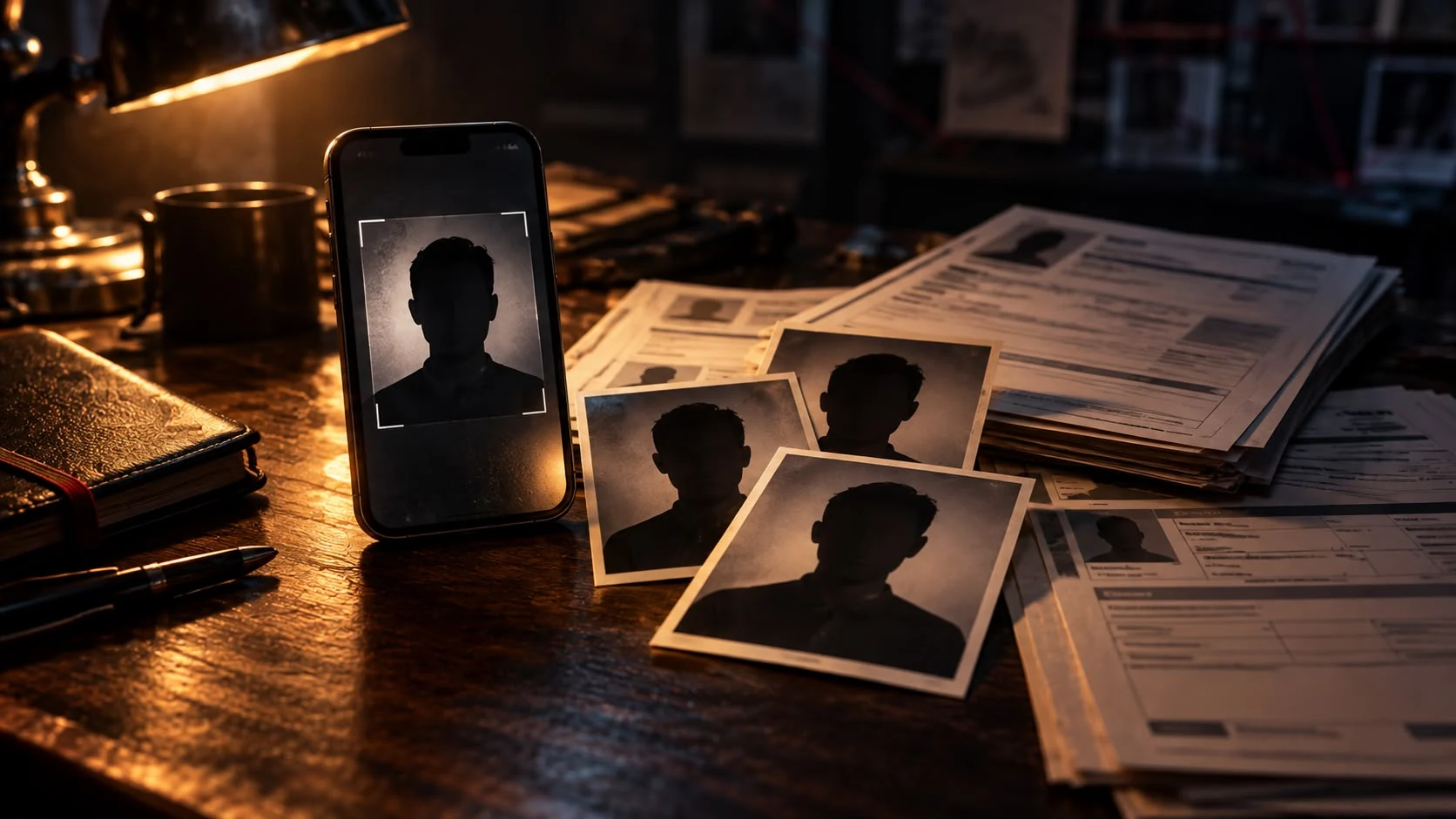
At the centre of the case reported by Calcalist was a 20-year-old from Israel's Sharon region who allegedly bought breached identity-document databases on the darknet and Telegram. The next alleged step was to animate the photographs: AI tools turned them into digital doubles, figures that looked and sounded like a real person recording video or taking a selfie. Investigators suspected that he passed remote onboarding checks this way, opened bank accounts in innocent people's names, ordered credit cards, withdrew money and made purchases. According to the report, police suspected hundreds of people had been affected. At that stage, about 120 complainants, around 90 warrants and an estimated sum of hundreds of thousands of shekels were reported. As the covert investigation, opened in January, approached him, he left Israel via the Taba crossing and flew to Thailand at the end of March. Authorities there located and deported him, and he was arrested for questioning on arrival in Israel. Judge Guy Maimon, who extended his detention, described the case as an example of the future of cybercrime and the ease and sophistication with which fraud offences could be committed.
What I see as an investigator
Notice what the attacker is alleged not to have done: break into a system. He came through the front door with an identity document. That changes the problem. When identification checks video, a selfie and an identity-card photograph, an attacker who produces all three at home can pass like a real customer. Second, an entire supply chain sits behind this: breached databases sold cheaply and animated-video tools available widely. Third, police raised an attribution problem in court. The difficulty was not proving that offences occurred, but connecting them to the person responsible. When digital identity is forged, attribution becomes harder too.
Where are the controls? Prevention systems need to move from asking "Does the identification look valid?" to "Is someone really sitting there?": hard-to-forge signs of life, device behaviour, activity history and cross-checks against official sources. On the personal side, the report described people discovering accounts opened in their names without their knowledge. The next victim in line does not know they are in line.
Key takeaways
Periodically check for accounts or credit applications in your name. A bank account or credit card you did not request is not merely a bank error. It is a red flag that calls for immediate contact with the bank and a police complaint. This fraud does not feel like fraud until it has happened. Periodic checks can help detect unfamiliar use of your identity even if you never received a suspicious call.
The question I would ask as an investigator
If the digital double did pass the bank's identification check, what matters for the investigation: was the motive money, or the challenge? The answer guides the search.